

MPA Urges Department of Justice to Protect Journalists Covering Protests
MPA joined a coalition of media organization urging the Department of Justice to protect journalists covering protest activities.
MPA joined a coalition of media organization urging the Department of Justice to protect journalists covering protest activities.
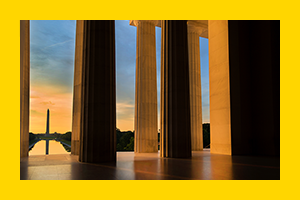
The House Natural Resources Subcommittee on National Parks, Forests, and Public Lands heard testimony today on the Fallen Journalists Memorial Act, H.R. 3465. The Act would authorize the Fallen Journalists Memorial Foundation to establish a permanent memorial honoring the sacrifices of journalists who have died while performing their jobs.
The News Media Alliance has provided a quick-reference one-pager that summarizes key provisions of the new DOL Overtime rule, as well as relevant FLSA exemptions.
In preparation for the National Capital Memorial Advisory Commission meeting today, the News Media Alliance submitted a written statement to show its support for the establishment of a Fallen Journalists Memorial.

With the rise of digital and programmatic ad buying, brand safety risks have increased, as has advertiser awareness of ad placement.

With the onset of digital media and subsequent migration to digital marketing, concerns regarding personal data privacy have spurred new protective regulations for consumers. As a result, we may be on the cusp of a change to the digital advertising playbook.

Providing the right tools for young news consumers will help them learn how to spot fake news; how to tell the difference between ads, blogs and news reports; and how to draw their own informed conclusions.

American Press Institute Director of Program Operations and Partnerships, Kevin Loker’s work focuses on providing research and events that strengthen API’s programs and help API collaborate with other news organizations.

I had a writing class that turned into a heated discussion about how we categorized “fake news.” No matter how many articles we read — How to Identify Fake News, or What Makes an Article Credible? — when we could not come up with one straight answer, I realized the problem was much bigger.

In a recent study published in Columbia Journalism Review, James G. Robinson, adjunct professor and research fellow at Columbia University’s School of Journalism and Director, Global Analytics for The New York Times, investigated how journalists themselves imagine the audiences for their work; specifically, whether their mental image has changed with the rise of reader demographic and behavior tracking technology.