Teaching Kids About Media Literacy
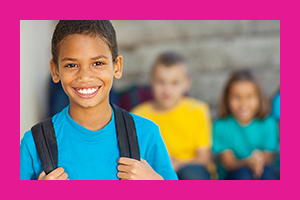
Providing the right tools for young news consumers will help them learn how to spot fake news; how to tell the difference between ads, blogs and news reports; and how to draw their own informed conclusions.
Providing the right tools for young news consumers will help them learn how to spot fake news; how to tell the difference between ads, blogs and news reports; and how to draw their own informed conclusions.
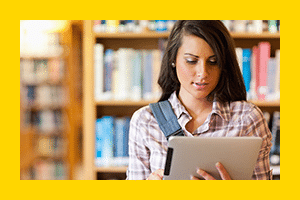
I had a writing class that turned into a heated discussion about how we categorized “fake news.” No matter how many articles we read — How to Identify Fake News, or What Makes an Article Credible? — when we could not come up with one straight answer, I realized the problem was much bigger.
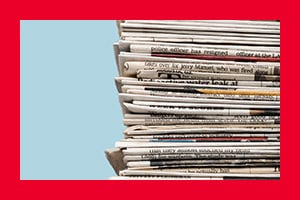
Facebook and Google have been brutal to the news business. But this primarily reflects a failure of imagination. The tech giants are the world’s best distribution platforms and could be an answer for journalism instead of a grave threat.
2018 was a year of serious fact-checks and cries of fake news. Did you survive with all your facts intact? Take our quiz to see if you can spot the truth amongst the lies in this collection of wild headlines from the past year.
As we head into the new year, we wanted to look back at some of the interesting things we learned in 2018. Over the course of the year, we’ve shared dozens of articles with you, from profiles of our young Rising Stars to columns from CEO David Chavern, from journalism history quizzes to detailed infographics about the strength of the news media during elections and on Black Friday. If you missed any of our most informative or engaging articles, now is your chance to catch up!
As midterm elections approach in the U.S., fake news producers have been sharing more and more stories that paint one side or the other as bad actors. Sometimes, those stories can seem so plausible that even the savviest of news consumers is at risk of falling for the lies. Take our quiz to find out how you’d fare against the fake news creators!
Steph Solis knew she wanted to be a journalist since she was little. “I was one of those obnoxious kids who has known since sixth grade,” she laughs.
Journalists seeking fresh, fast and thoughtful insight from the nation’s foremost historians can now consult a database of experts assembled by the Organization of American Historians (OAH).

With fake news and distrust of the media making it harder for many people to know what to believe, there is ample need for news literacy lessons targeted at each and every student in America, from elementary-aged kids to university coeds.
Today, newspapers fought back against President Trump’s attacks on the media in the the best way they know how: they took to the presses. In a unified voice, they called for an end to these attacks and stressed the importance of quality journalism and a free press to hold our government officials accountable.